The Hidden Way Rising Oil Prices Could Impact Your Next Cruise Booking
If you’ve been watching the news lately, you already know oil prices have been on a wild ride. Here’s what that could mean for your next cruise vacation.
Could Fuel Surcharges Be Coming to Cruises?
The ongoing conflict with Iran has pushed oil prices significantly higher. Airlines have already responded by raising baggage fees. Gas prices at the pump have climbed above $4 per gallon in many areas. Now, cruise travelers are wondering if they’ll be next to feel the pinch.
This site contains affiliate links for which we may be compensated.
So far, major U.S. cruise lines have not added fuel surcharges. But the situation remains uncertain, even after the U.S. and Iran agreed to a short ceasefire. History suggests that could change.
Patrick Scholes, a lodging and leisure analyst with Truist Securities, pointed to past patterns. “History may not always repeat itself, but what do they say? It rhymes,” he told USA TODAY.
How Do Rising Oil Prices Affect Cruise Lines?
Fuel makes up about 20% of a cruise company’s total operating costs. That’s a big chunk of the budget. When oil prices spike, cruise lines feel it quickly.
Most major cruise lines use a strategy called hedging. They lock in fuel prices through contracts ahead of time. As Scholes explained, “It creates a higher degree of certainty of what your expenses are going to be.”
Carnival Corp. Is a Special Case
Carnival Corporation is the only major U.S. cruise operator that does not hedge its fuel costs. The company owns well-known brands like Carnival Cruise Line, Holland America Line, and Princess Cruises. That means they face more risk when oil prices rise.
Scholes put it plainly: “They have the most exposure of the cruise lines, or of many, many companies, to fuel prices because they don’t lock it in. And so they take that risk. And when the fuel goes down, it’s great for the stock, and when it goes up, it hurts you the most.”
Interestingly, Carnival Corp. was one of the top-performing stocks on April 8, the day after the ceasefire was announced and oil prices dipped. Even so, oil prices are still roughly 26% higher than they were before the conflict began in late February.
Will Your Cruise Fare Go Up?
There are two ways cruise lines could respond to higher fuel costs. They could raise base cruise prices, or they could add a fuel surcharge. Scholes says a full price increase is unlikely right now, since high oil prices could be temporary.
A surcharge is the more likely option. It would show up as a separate fee at checkout. As Scholes described it, cruise lines would essentially be saying, “This is something out of our control. Yeah, we’re sorry, but we have to do this. You as a consumer can understand why we’re doing this, as opposed to us just raising prices here.”
What Have Surcharges Looked Like in the Past?
Fuel surcharges are nothing new in the cruise industry. Back in 2007 and 2008, when oil prices surged, lines like Carnival and Royal Caribbean added fees of $5 to $10 per person, per day. Scholes noted they could potentially go as high as $20 to $50 in more extreme cases.
More recently, Asian cruise line StarDream Cruises introduced a fuel surcharge in March 2026, according to Travel Weekly. That move came directly in response to rising fuel costs tied to the conflict.
The Cruise Lines International Association (CLIA), the industry’s top trade group, shared this with USA TODAY: “Like many sectors across the global economy, from logistics to tourism and manufacturing, and beyond, maritime is monitoring evolving fuel market conditions. Fuel price impacts vary by operator depending on a range of factors, including itinerary and vessel type, among other factors.”
What Are the Major Cruise Lines Saying?
Here’s a quick look at where the big players stand right now:
- Carnival Corporation told USA TODAY it has no plans to change its current pricing model.
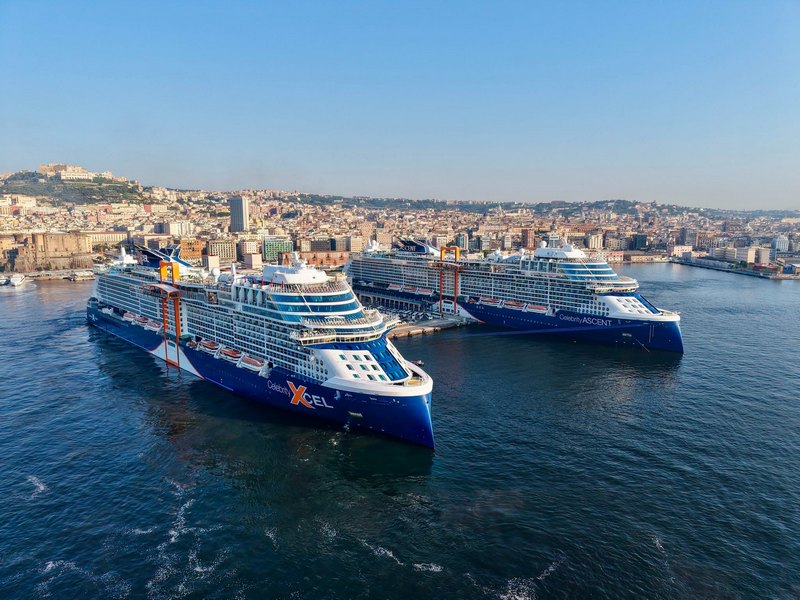
- Royal Caribbean Group, which includes Royal Caribbean International, Celebrity Cruises, and Silversea Cruises, stated: “While many factors contribute to our pricing, we have no intentions of changing our strategy.”
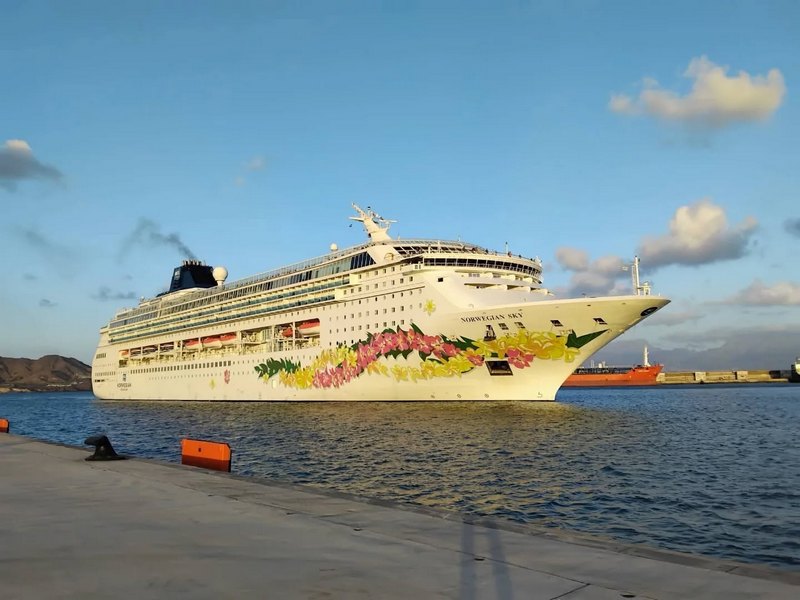
- Norwegian Cruise Line Holdings, parent company of Norwegian Cruise Line, Oceania Cruises, and Regent Seven Seas Cruises, did not directly address surcharges. However, the company noted it had hedged about 51% of its projected fuel consumption for 2026 as of mid-January, and 27% for 2027.
Norwegian also noted in its earnings release that a 10% change in fuel prices, after hedging, would have only a modest 7-cent impact on adjusted earnings per share for all of 2026.
When Could You See Higher Costs on Your Cruise?
The timing is hard to predict, but Scholes believes any changes would happen sooner rather than later. Oil prices have been elevated for more than a month. That puts pressure on cruise lines to act.
Good news for those with upcoming cruises: Scholes doesn’t expect lines to add surcharges to already-booked sailings. Instead, you’d likely see new fees applied to voyages departing in the third or fourth quarter of 2026.
Scholes offered this sobering outlook: “Even if the geopolitical tensions continue to subside, I don’t think anybody’s expecting the oil prices to go back down to where they were two months ago anytime soon.”
What Should Cruise Travelers Do Now?
The best move right now is to stay informed. Watch for announcements from your cruise line about any pricing changes. If you have a sailing booked later in 2026, pay attention to any emails or updates from the line about fees.
Keep an eye on your booking terms as well. Some fare types may offer more protection against added charges than others. Knowing what you agreed to when you booked can save you from surprises down the road.