MSC Cruises Big Bet toward Sustainable Cruising
MSC Cruises is making big moves in sustainable ship design. Here’s what cruisers should know about the line’s energy plans for the future.
MSC Cruises Is Thinking Decades Ahead
MSC Cruises isn’t just planning for next year. The company is designing ships that will still be sailing 35 years from now.
This site contains affiliate links for which we may be compensated.
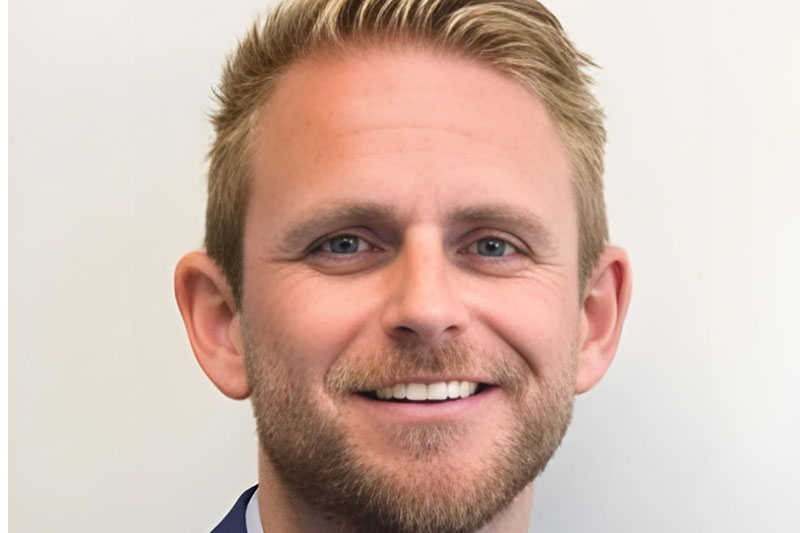
Michele Francioni, MSC’s Chief Energy Transition Officer, says this long view shapes every decision. Ships built today won’t even hit the water for another five years. That means today’s designs must go beyond current sustainability goals.
Francioni calls this both a major challenge and a real opportunity — especially when it comes to bringing new technology on board.
LNG: MSC’s Fuel of Choice Right Now
MSC Cruises currently runs three ships on liquefied natural gas, or LNG. Those ships are the MSC Euribia, MSC World Europa, and MSC World America.
Francioni says LNG isn’t just a temporary fix. He sees it as a proven fuel that delivers real results in both energy reliability and day-to-day operations.
The numbers back that up. “The year 2025 was a very good one for our fuel implementation in Europe, in which we actually met our target and created a surplus in both LNG and bio-LNG,” Francioni said. He views that outcome as proof the company made the right fuel choice.
More LNG Ships Are on the Way
MSC isn’t slowing down its LNG expansion. Six more LNG-powered ships are coming as part of the company’s World class series.
Two ships have confirmed delivery dates. The MSC World Asia arrives in 2026, followed by the MSC World Atlantic in 2027. These additions will grow the line’s eco-friendly fleet in a meaningful way.
A Brand-New Ship Class Called New Frontier
Looking even further ahead, MSC has ordered four next-generation ships. This new group is called the New Frontier class, with the first delivery expected in 2030.
These ships are expected to run on alternative fuels. However, the full details of their energy systems haven’t been announced yet.
Safety Comes First With New Technology
Bringing new fuels and systems on board creates new responsibilities. Francioni is clear that innovation must never put passengers, crew, or port communities at risk.
He also warns that new technologies bring their own set of challenges. “A big challenge is ensuring that the crew is fit for purpose and well-trained to deal with these technologies,” Francioni noted.
Proper training isn’t optional — it’s essential for both safety and sustainability.
AI Is Already Saving Energy on MSC Ships
One of the most interesting tools MSC is using right now is artificial intelligence. The company has already put AI to work in a surprising place: air conditioning.
Ship air conditioning systems use a huge amount of power — sometimes several megawatts. MSC used AI to study millions of data points and fine-tune how the cooling systems operate.
“By simply optimizing what we call the concentration or the chiller water, we were able to save an enormous amount of energy,” Francioni said. It’s a smart example of how technology can deliver real savings without big visible changes.
The Bigger Picture for Cruise Travelers
For travelers who care about sustainable cruising, MSC’s direction is worth watching. The line is investing heavily in cleaner fuels, smarter technology, and ships built to last.
The challenge, as Francioni points out, is finding the right tools that actually make a difference. With a fleet growing in both size and ambition, MSC seems committed to figuring that out.