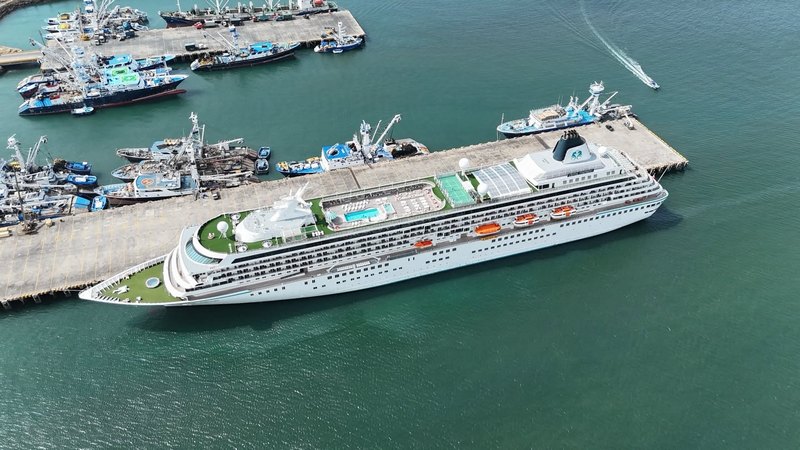
Royal Caribbeans Star of the Seas Is Their Greenest Ship
Royal Caribbean’s Star of the Seas: A Greener Future for Cruise Ships
Royal Caribbean’s newest ship, Star of the Seas, is making waves in the cruise industry. But this time, it’s not just about size or fancy features. The ship represents a major step forward in environmental technology.
A Big Jump in Efficiency
The Star of the Seas is 24% more efficient than older Oasis-class ships. That’s a huge improvement in just a few years. Nick Rose, Royal Caribbean’s associate vice president of environmental programs, credits three main changes for this boost.
This site contains affiliate links for which we may be compensated.
First, the ship has a sleeker hull design that cuts through water more smoothly. Second, it runs on liquefied natural gas (LNG) instead of traditional fuel. Third, the ship captures and reuses waste heat much better than before.
The Star even beats its sister ship, the Icon, which launched just one year earlier in 2024. This shows how quickly cruise technology is advancing.
LNG: The Game-Changing Fuel
“New fuel is the real game changer,” said Rose. LNG packs more energy per molecule than regular ship fuel. This means the ship can travel the same distance while burning less fuel.
“LNG is just more energy rich on a per molecule, mass level,” Rose explained. The only downside? LNG tanks take up more space on the ship.
But here’s where it gets clever. LNG must stay super cold – negative 260 degrees Fahrenheit. The Star captures energy from both the hot exhaust and the cold fuel system.
“It’s not just waste heat… we’ve always recovered on the heat side and now we can recover both,” Rose added. It’s like getting double the benefit from the same fuel.
Smart Technology Saves Energy
The Star uses artificial intelligence to save energy in surprising ways. The ship knows when passengers leave their rooms and adjusts the lights and air conditioning automatically.
“We’re using machine learning to see if someone is off the vessel,” said Rose. No more cooling empty cabins or lighting rooms nobody’s using.
The ship also converts waste into energy using new technology. Two systems called Microwave-Assisted Pyrolysis and Micro Auto Gasification turn garbage into power. It’s like having a high-tech recycling plant on board.
Learning from Data
Royal Caribbean works with shipyards and tech companies to collect data from their ships. This information helps them design better vessels and run current ships more efficiently.
“We have partnered with good experts, the yard and third-party vendors to review data and plug into models,” said Rose. The shipyard creates computer models of the most efficient hull shape. Then real sailing data helps improve those designs.
This data also helps with maintenance. AI can spot problems before they become serious issues.
“We can see a pump that is running 24/7 and understand the data, and whether we need to continuously run that pump,” Rose explained. “AI can tell us when to have service it, replace it, or tell us that maybe it’s working too hard.”
Making Fresh Water at Sea
The Star can produce 100% of its own drinking water. The ship uses an advanced reverse osmosis system that removes salt from seawater. AI helps run this system at peak efficiency without wasting energy.
“It’s the totality of everything we do,” said Rose. “We are producing water at the most efficient rate, but also not consuming too much water.”
Looking Ahead
Royal Caribbean isn’t stopping here. The next Icon-class ship, due in 2026, will have even more improvements. The company is already planning for future fuel types beyond LNG.
“We need to build some things in to be more flexible in the future in case there is another kind of fuel,” Rose said. He pointed to Celebrity’s upcoming Xcel ship, which will be ready to run on methanol fuel.
What This Means for Cruise Passengers
These changes might not be visible to passengers, but they matter. More efficient ships mean cruise lines can offer better prices. They also reduce the environmental impact of your vacation.
The improvements show how cruise technology keeps advancing. Each new ship learns from the previous one. While changes between sister ships might be small, the total improvement from first to last ship in a class can be huge.
Royal Caribbean’s focus on efficiency proves that cruise ships can become more environmentally friendly without sacrificing the vacation experience. As Rose noted, it took years to collect enough data to make these AI systems work. Now that foundation is in place for even bigger improvements ahead.
The Star of the Seas represents more than just another new cruise ship. It’s a glimpse into the future of cleaner, smarter ocean travel.