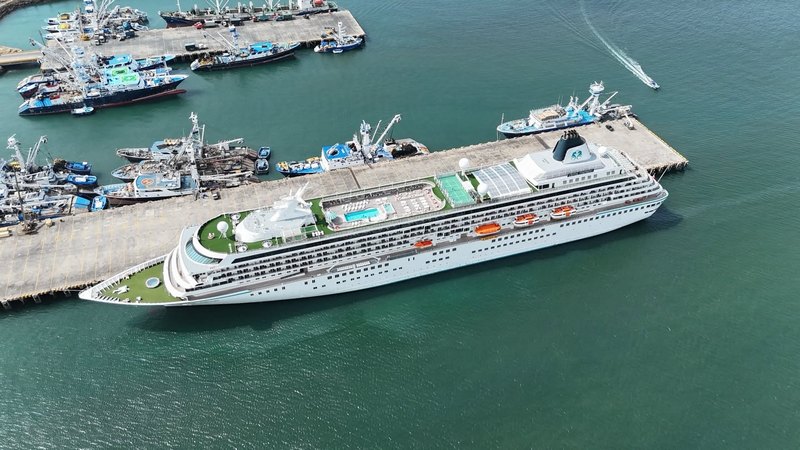
Inside the Business of Buying and Selling Secondhand Cruise Ships
Cruise Ships Find New Homes: Why More Ships Are Changing Hands
The cruise ship resale market is usually pretty quiet. With only about 450 cruise ships sailing the oceans, there aren’t many buying and selling opportunities each year.
But 2025 has been different. Several major cruise lines have found new homes for their older ships.
This site contains affiliate links for which we may be compensated.
Norwegian Makes Big Moves
Norwegian Cruise Line made the biggest splash in March. The company sold four older ships to new operators.
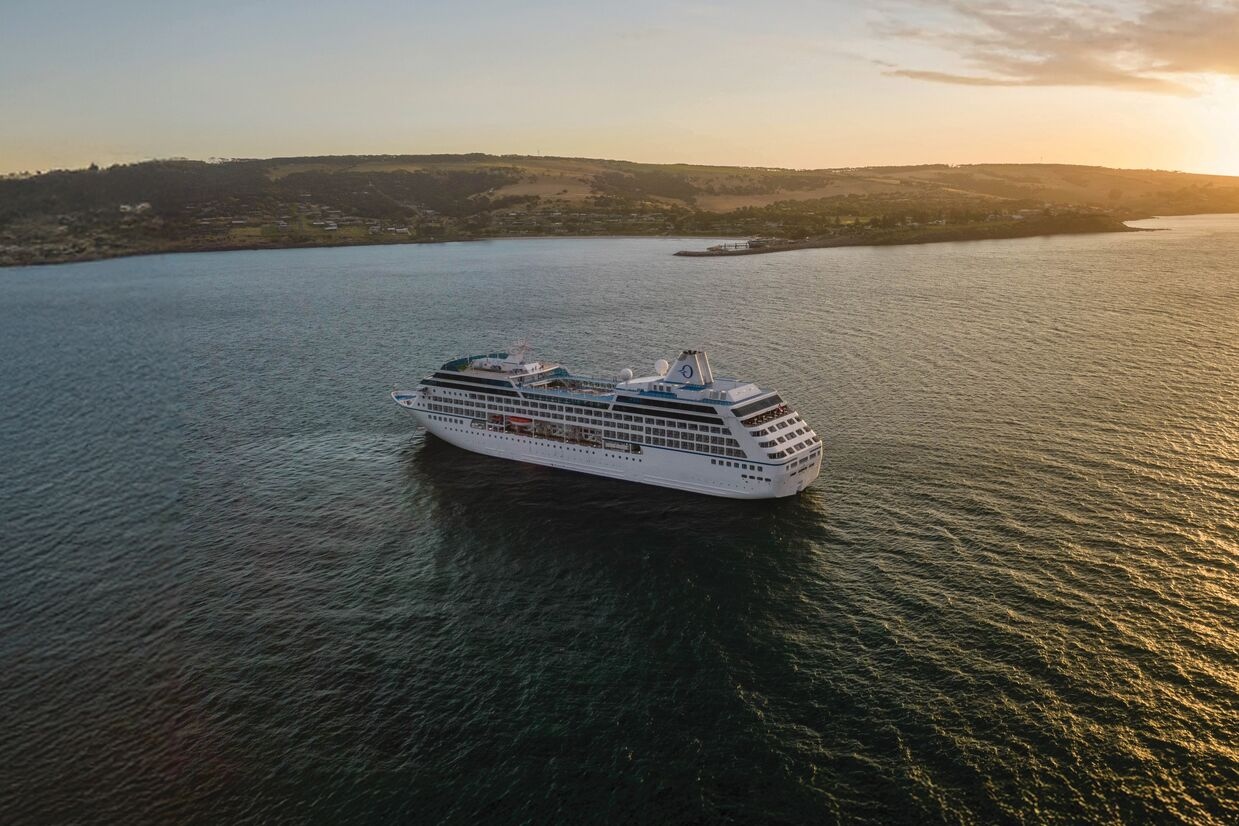
Two ships went to Crescent Seas, a new residential cruising company. The Regent Navigator from 1999 and Oceania Insignia from 1998 will start their new careers soon.
Norwegian also made a deal with Cordelia Cruises from India. Cordelia will get the Norwegian Sky in 2026 and Norwegian Sun in 2027.
These moves help Norwegian remove about 4,000 older cabin spaces. This makes room for newer, bigger ships in their fleet.
Carnival Corporation Sells Two Ships
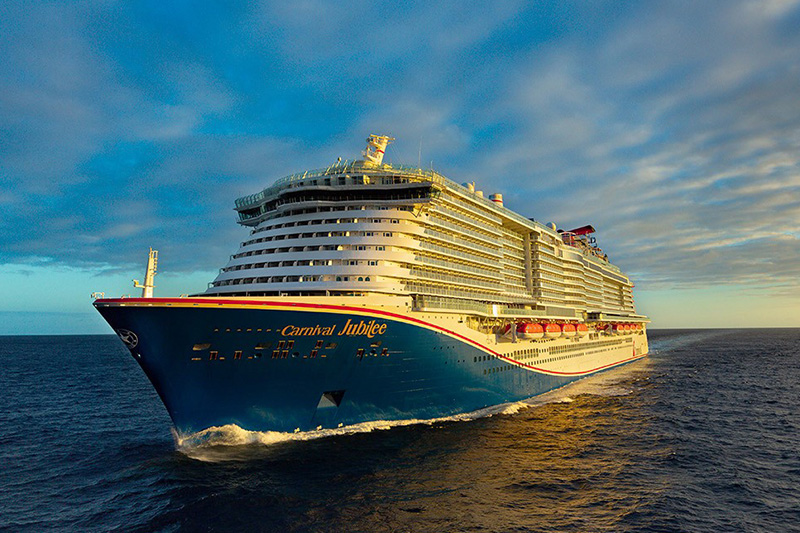
Carnival Corporation, the world’s biggest cruise company, also made two ship sales this year.
Seabourn’s Sojourn went to Japanese luxury brand Mitsui OSK. The ship will join Mitsui’s fleet in 2026. This is the second Seabourn ship that Mitsui has bought.
The Costa Fortuna found a new home with Margaritaville at Sea. That ship will transfer to its new owner in September 2026. This marks the third Costa ship that Margaritaville has purchased.
Since 2020, Carnival has sold 29 ships total. This has helped modernize their entire fleet.
Why the Secondhand Market Is Changing
Cruise ships usually stay in service for about 30 years. This has always kept the resale market pretty small.
In the past, cruise lines sold older ships to companies that wouldn’t compete with them. Many went to new ventures exploring niche markets.
But things are different now. Many of those older ships are already gone. Today’s 30-year-old ships are bigger, more advanced, and much more expensive to buy and run.
These ships also might lack the latest eco-friendly technology. This has made the pool of potential buyers much smaller.
Money Makes It Harder
Financing is a big problem for buyers. Interest rates for older ships are often in double digits. Traditional lenders don’t like making huge loans for ships near the end of their useful life.
Some operators have left the market completely. They can’t compete with newer technology or justify the cost of maintaining old ships.
Who’s Still Buying?
A small group of companies still focus on buying used cruise ships. They all have one thing in common: they offer something unique and don’t compete directly with major cruise brands.
In the U.S., Margaritaville at Sea leads this market. In Europe, companies like Phoenix Reisen, Celestyal, Fred. Olsen, and Ambassador Cruise Line buy older ships.
These companies focus on specific regions and create special itineraries. In China, several brands each operate one secondhand ship. Cordelia is expanding in India, growing from one ship to three.
Success Strategies for Buyers
The successful buyers all follow similar strategies. They source guests locally, offer unique trips, target underserved markets, or compete mainly on price.
Getting started requires lots of capital, but financing options exist for qualified buyers. Lease-to-own deals are available for some purchases.
New operators can also use third-party management companies. These firms handle hotel and ship operations while the new owner focuses on sales and marketing.
The Bottom Line
Without financial resources and a unique market position, competing in cruising is tough. Major cruise lines have massive advantages in cost savings, cutting-edge ships, and operational efficiency.
The secondhand cruise ship market will likely stay small. But for the right buyers with the right strategy, opportunities still exist to find success with older vessels.